
Real-World Evidence
Real-World Empact
Turning data into decisions that shape the future of healthcare.
About Us
who we are
Founded in 2024, Lumina RWE was established to meet the growing demand for scientifically rigorous real-world evidence in healthcare technology. From the beginning, we have focused on bridging the gap between controlled clinical trials and the realities of clinical practice. Our...
what we do
Lumina RWE provides tailored evidence solutions for the biopharmaceutical and medical device industries, supporting clients at every stage of the post-market life cycle. From study design and regulatory-ready RWE submissions to health economics, outcomes research, and post-market safety ...
Frequently Asked Questions
Trusted in more than 100 countries and 4 million customers.
The Twenty-First Century Cures Act
What is the Twenty-First Century Cures Act?
The Twenty-First Century Cures Act, enacted in 2016, was designed to accelerate medical innovation and improve patient access to safe and effective devices. A key aspect of the Act is its emphasis on using real-world evidence (RWE) to support regulatory decisions, which has paved the way for broader adoption of RWCD in medical device approvals.
How does the Twenty-First Century Cures Act influence RWCD adoption?
The Act encourages the use of RWE for demonstrating device safety and efficacy, streamlines clinical trial designs by incorporating real-world data, and enhances patient engagement through the integration of PROs and other RWCD sources. The Act requires the FDA to evaluate how RWE can be used to support new indications for approved devices and meet requirements for post market surveillance and ongoing safety monitoring.
General
What is Real-World Clinical Data (RWCD)?
RWCD refers to data collected during routine healthcare delivery, rather than in controlled clinical trial settings. Common sources include electronic health records (EHRs), claims and billing data, patient registries, wearable devices, mobile health applications, and patient-reported outcomes (PROs). Social determinants of health (SDOH) data can also be a source.
Why is RWCD important?
RWCD provides insights into device performance across diverse populations and real-world conditions, addressing many limitations of traditional clinical trials. It offers a more comprehensive, actionable, and timely understanding of clinical practices and outcomes.
What is Real-World Evidence (RWE)?
Real-world evidence is evidence regarding the usage and potential benefits or risks of a medical product derived from an analysis of RWCD.
FDA Regulatory Pathways and RWCD
What are the main FDA regulatory pathways for medical devices?
The FDA employs two primary pathways for medical device approvals: Premarket Approval (PMA) for Class III devices and 510(k) Clearance for Class II devices.
What is Premarket Approval (PMA)?
PMA is the most stringent pathway, required for Class III devices. PMA submissions must include robust clinical data proving the device’s safety and efficacy.
What is 510(k) Clearance?
This pathway is for Class II devices, allowing manufacturers to demonstrate that their device is substantially equivalent to an already marketed predicate device.
How does RWCD play a role in PMA submissions?
RWCD can complement or, in some cases, substitute traditional clinical trial data by increasing representativeness, providing longitudinal data, and enhancing efficiency. Case studies show RWCD being used to secure PMA approval by demonstrating superior outcomes in a real-world setting and to validate safety and performance, supplementing limited RCT evidence.
How is RWCD used in 510(k) submissions?
RWCD can demonstrate real-world performance parity with the predicate device, highlight unique benefits such as improved usability or durability, and address FDA concerns about specific patient populations or use cases. Case studies show RWCD being used to demonstrate equivalent diagnostic accuracy and to validate usability and safety.
What is post market surveillance?
In addition to premarket submissions, the FDA mandates post market surveillance studies under Section 522 of the FDCA for certain devices to monitor long-term safety and effectiveness.
How is RWCD used in post market surveillance?
RWCD enables manufacturers to monitor rare adverse events using large-scale datasets, evaluate long-term performance and safety, and identify off-label use patterns and associated risks. RWCD can be used to detect late-stage complications and to monitor pediatric outcomes, satisfying Section 522 requirements.
Strategies for Manufacturers to Harness RWCD
What is Real-World Clinical Data (RWCD)?
RWCD refers to data collected during routine healthcare delivery, rather than in controlled clinical trial settings. Common sources include electronic health records (EHRs), claims and billing data, patient registries, wearable devices, mobile health applications, and patient-reported outcomes (PROs). Social determinants of health (SDOH) data can also be a source.
Why is RWCD important?
RWCD provides insights into device performance across diverse populations and real-world conditions, addressing many limitations of traditional clinical trials. It offers a more comprehensive, actionable, and timely understanding of clinical practices and outcomes.
What is Real-World Evidence (RWE)?
Real-world evidence is evidence regarding the usage and potential benefits or risks of a medical product derived from an analysis of RWCD.
Lumina RWE and RWCD in Action
What is Real-World Clinical Data (RWCD)?
RWCD refers to data collected during routine healthcare delivery, rather than in controlled clinical trial settings. Common sources include electronic health records (EHRs), claims and billing data, patient registries, wearable devices, mobile health applications, and patient-reported outcomes (PROs). Social determinants of health (SDOH) data can also be a source.
Why is RWCD important?
RWCD provides insights into device performance across diverse populations and real-world conditions, addressing many limitations of traditional clinical trials. It offers a more comprehensive, actionable, and timely understanding of clinical practices and outcomes.
What is Real-World Evidence (RWE)?
Real-world evidence is evidence regarding the usage and potential benefits or risks of a medical product derived from an analysis of RWCD.
Data Sources and Analytical Techniques
What is Real-World Clinical Data (RWCD)?
RWCD refers to data collected during routine healthcare delivery, rather than in controlled clinical trial settings. Common sources include electronic health records (EHRs), claims and billing data, patient registries, wearable devices, mobile health applications, and patient-reported outcomes (PROs). Social determinants of health (SDOH) data can also be a source.
Why is RWCD important?
RWCD provides insights into device performance across diverse populations and real-world conditions, addressing many limitations of traditional clinical trials. It offers a more comprehensive, actionable, and timely understanding of clinical practices and outcomes.
What is Real-World Evidence (RWE)?
Real-world evidence is evidence regarding the usage and potential benefits or risks of a medical product derived from an analysis of RWCD.
Emerging Technologies and Future Trends
What is Real-World Clinical Data (RWCD)?
RWCD refers to data collected during routine healthcare delivery, rather than in controlled clinical trial settings. Common sources include electronic health records (EHRs), claims and billing data, patient registries, wearable devices, mobile health applications, and patient-reported outcomes (PROs). Social determinants of health (SDOH) data can also be a source.
Why is RWCD important?
RWCD provides insights into device performance across diverse populations and real-world conditions, addressing many limitations of traditional clinical trials. It offers a more comprehensive, actionable, and timely understanding of clinical practices and outcomes.
What is Real-World Evidence (RWE)?
Real-world evidence is evidence regarding the usage and potential benefits or risks of a medical product derived from an analysis of RWCD.
Lumina RWE Service Process
Where smart choices meet outstanding results
1. Initial Engagement / Discovery
- Introductory outreach or referral
- Overview of client needs & Lumina RWE capabilities
- Explore objectives, challenges, and timelines
- Identify therapeutic areas & payer considerations
2. Due Diligence & Assessment
- Review available data & gaps
- Assess regulatory and payer landscapes
- Align on feasibility & potential approaches
- Develop tailored proposal & cost structure
3. Contracting & Onboarding
- Execute MSA/SOW agreements
- Assign project team
- Establish governance framework
4. Study Initiation / Design
- Design real-world evidence study
- Align with regulatory guidance
- Source real-world data (claims, EMRs, registries)
- Implement quality controls
5. Analysis
- Conduct validated analyses
- Monitor safety & outcomes
- Share interim updates
6. Deliverables & Submissions
- Prepare regulatory-ready reports
- Develop payer dossiers
- Support clinical/journal publications
7. Strategic Advisory & Support
- Guide regulatory & payer communications
- Support conferences & stakeholder engagement
8. Post-Project Partnership
- Monitor long-term outcomes
- Identify lifecycle study opportunities
what we do
Supercharge your real-world data strategy
Lorem ipsum dolor sit amet, consectetur adipiscing elit. Ut elit tellus, luctus nec ullamcorper mattis, pulvinar dapibus leo.
LuminaRWE
Evidence Platform
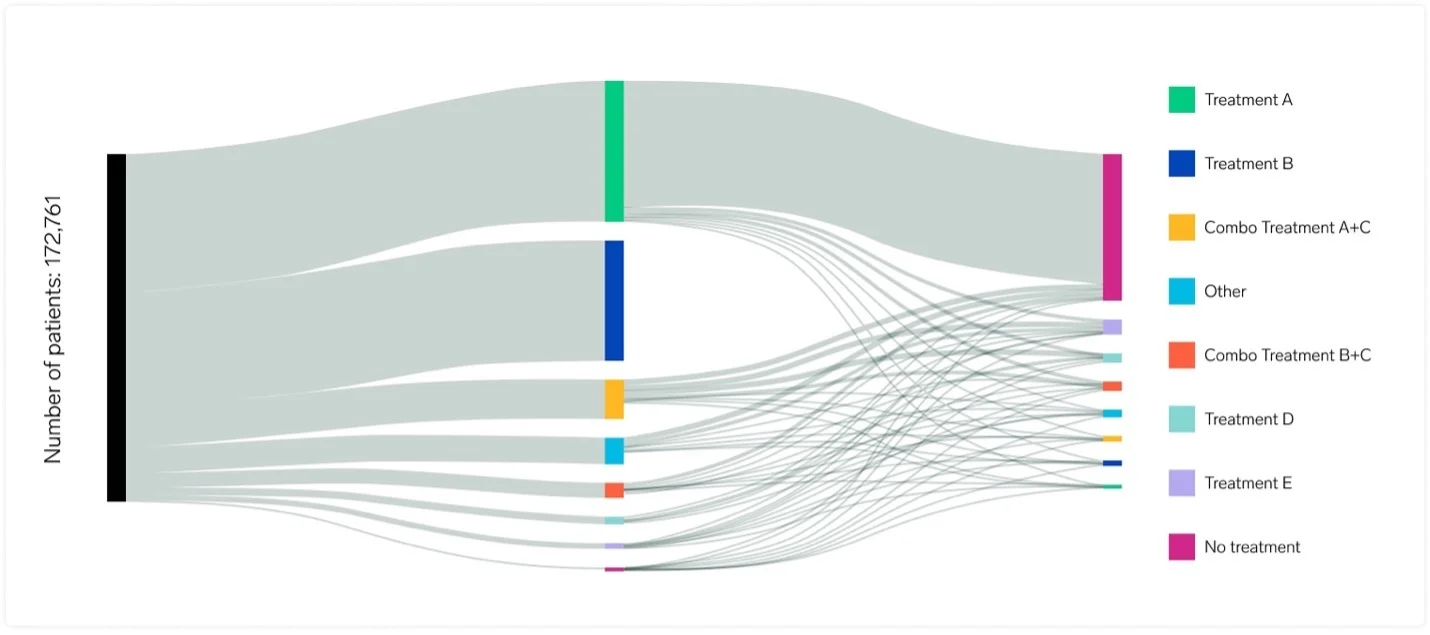
Driving scalable evidence generation with trusted technology and real-world data
Validated analytical methods
Data ingestion and preparation
Pre-built tools
LuminaRWE
Science & Research
Real-world evidence, expertly delivered
Empowering Health with Precision Tools
Innovative Equipment for Lifesaving Solutions
Where Care Meets Cutting-Edge Technology

“LuminaRWE is well positioned to make a significant contribution to the studies and projects that we are leading, and as such, will help us raise awareness amongst regulatory agencies, HTA bodies, and payers about the increasingly important role real-world evidence is playing in healthcare decision-making.”
Managing Director, LuminaRWE
Experts in providing real-world
evidence solutions
Data provider partners
Our data-agnostic platform powers evidence generation across data sources and formats.
Data provider partners
Our data-agnostic platform powers evidence generation across data sources and formats.
/20
Data provider partners
Our data-agnostic platform powers evidence generation across data sources and formats.